Invisalign® offers a modern alternative to traditional braces — a discreet, removable system that uses a planned sequence of clear aligners to guide teeth into healthier, more functional positions. For families and young patients, this approach blends clinical precision with daily convenience, making orthodontic progress easier to integrate into school, sports, and social life. Below, you’ll find a clear explanation of how the system works, what to expect during treatment, and how our office supports successful outcomes.
Invisalign® for Teens

Invisalign® for Brides

Invisalign® for Travelers
Before & After Photos
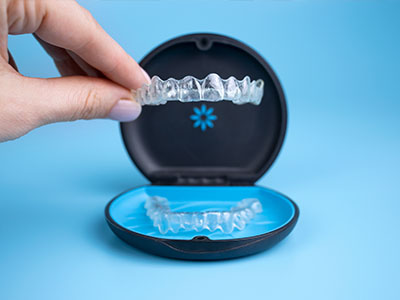
Invisalign® Videos
FAQs
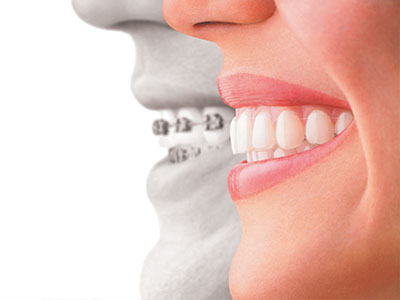
Invisalign® vs Braces
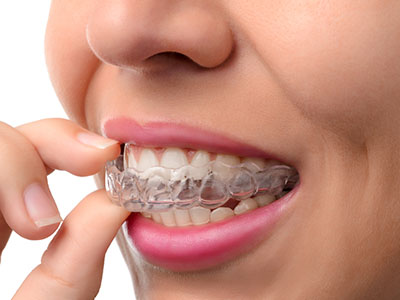
Invisalign® vs Direct-To-Consumer Aligners
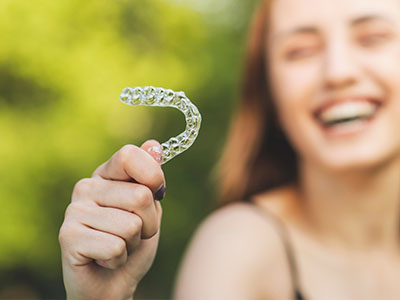
Is Invisalign® Right For Me?

Invisalign® Costs
Treatment begins with a clinical evaluation and a precise, digital record of the mouth. Instead of plaster impressions, clinicians use high-resolution intraoral scanning and 3-D imaging to capture every tooth and bite relationship. These digital models form the foundation of a step-by-step treatment plan that predicts how teeth will move from the current position to the desired result.
Using specialized software, the clinician maps out each tooth movement in a sequence of stages. This visualization lets you see a projected progression before any aligners are made, so adjustments to the plan can be discussed in advance. The result is a customized pathway designed to meet the patient's orthodontic goals while minimizing unnecessary movement.
Because this planning process relies on measurable data and iterative checks, it increases predictability for a wide range of alignment issues. Your dentist will explain the planned milestones, expected appointment cadence, and how progress will be tracked so everyone — parent and patient — knows what to expect at each stage.
Aligners are worn for the majority of each day and replaced in small, regular increments to gently reposition teeth. They are removable for eating, brushing, and important activities, which helps preserve oral hygiene and reduce some of the everyday challenges that come with fixed appliances. Patients typically wear each set for a prescribed period before moving to the next in the series.
Adaptation is common in the first few days after a new aligner is placed; mild soreness or pressure is a normal part of tooth movement and usually subsides quickly. Routine check-ins with the clinician allow small refinements and ensure the treatment is progressing as planned. These appointments are also opportunities to reinforce proper wear time and hygiene habits that support efficient movement.
Good compliance is the most important factor affecting how smoothly treatment proceeds. Wearing aligners as directed and keeping scheduled appointments helps maintain momentum and reduces the likelihood of delays. Parents can support teens by helping establish a consistent wear schedule and monitoring progress between visits.
Invisalign® leverages advanced materials and computer-guided design to achieve controlled, incremental tooth movement. The aligner material is engineered for elasticity and clarity, while the treatment planning software simulates biomechanical steps that move teeth in planned stages. This combination gives clinicians precise tools to address spacing, crowding, and many bite irregularities.
Small composite attachments or aligner features may be incorporated into the plan to help guide specific tooth movements. These discreet auxiliaries are designed to work with the aligners rather than replace them, improving control over tipping, rotation, or vertical changes when needed. Your clinician will explain any recommended adjuncts and why they are beneficial for the overall plan.
Because each case starts with a digital blueprint, clinicians can review, adjust, and refine the sequence before manufacturing the aligners. This upfront control helps minimize surprises and supports a more efficient course of treatment that focuses on clinically meaningful progress at every stage.
One of the practical advantages of clear aligners is that brushing and flossing are much simpler than with fixed braces — the aligners come out for those daily routines. Maintaining excellent oral hygiene during treatment protects tooth enamel and gums while teeth are moving, which is especially important for younger patients whose diets and habits may vary.
Because aligners are removable, eating is less restricted; patients can enjoy their normal foods when the aligners are taken out. It’s important to place aligners in a protective case when they’re out to avoid loss or damage. For active children and teens involved in sports, aligners can usually be removed for games, but a properly fitted mouthguard should still be used when needed.
Expect short periods of adjustment when switching to a new aligner tray. Over-the-counter pain relievers and soft foods can help the first-day discomfort, and most people find the aligners comfortable within a day or two. Regular communication with the clinician ensures any persistent concerns are addressed promptly.
Successful treatment with clear aligners is a partnership between the family, the patient, and the clinician. Parents play an important role by encouraging consistent wear and tracking progress between appointments; clinicians contribute through careful planning, monitoring, and timely refinements to the plan. When everyone stays engaged, the path to a well-aligned smile is much smoother.
Our team brings pediatric-centered experience to orthodontic care, prioritizing comfort, clear explanations, and age-appropriate guidance. We focus on treatments that support long-term oral health as well as appearance, because properly aligned teeth are easier to clean and help maintain healthy function over time.
Whether you’re exploring options for a preteen, teen, or adolescent, a consultation is the best way to determine if clear aligners are an appropriate choice. Amarillo Super Smiles For Kids provides individualized assessments and will outline a plan that fits your child’s developmental needs and lifestyle.

Your clinician will review dental development and discuss whether clear aligners are a good fit for your child’s needs.
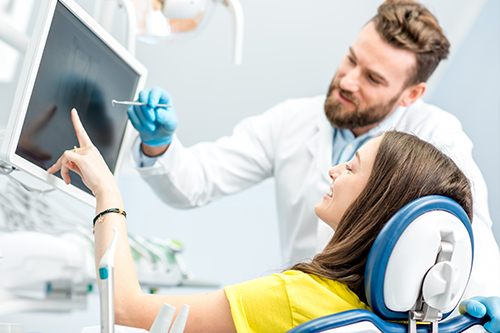
A quick, comfortable digital scan creates a 3-D model and a preview of how the teeth can move throughout treatment.
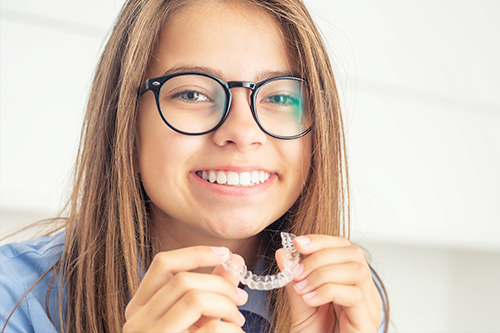
Aligners are fabricated to the plan’s specifications using clear, biocompatible materials designed for daily wear.

From the first set of aligners to the completion of your plan, the clinical team provides guidance and periodic checks to keep progress on track.
Watch short clips that show treatment mechanics, aligner placement, and what to expect as care progresses.
Invisalign® represents a predictable, technology-driven path to improving alignment while allowing flexibility for daily life. If you’d like to learn whether this approach is suitable for your child, please contact our office for more information and to schedule a consultation with our team.
*Invisalign® is a registered trademark of Align Technology, Inc.
Invisalign uses a series of custom-made, clear plastic aligners that fit snugly over the teeth and move them in planned increments. Each set of aligners is worn for a prescribed period before being replaced by the next set, producing gradual, controlled tooth movement. The system is removable for eating and oral care, which makes it easy to maintain daily routines while treatment progresses.
Treatment begins with a precise digital scan that creates a three-dimensional model of the teeth and bite. That model is used with specialized software to map a sequence of movements and predict milestones during treatment. Clinicians review and refine the plan before aligners are manufactured so the clinical approach is tailored to each patient’s needs.
Candidates are evaluated based on dental development, the complexity of the alignment issue, and the patient’s ability to follow wear instructions. Teens who have most of their permanent teeth and display mild to moderate crowding, spacing, or bite concerns are often appropriate candidates. Very young children or patients with active growth needs may be better served by interceptive orthodontics or other approaches until development is more advanced.
Because Invisalign is removable, patient cooperation is a key factor for success; consistent wear as directed by the clinician is essential. Parents and clinicians work together to set realistic expectations and monitor compliance throughout treatment. The final recommendation is individualized and based on clinical findings from an exam and diagnostic records.
Planning starts with a detailed clinical exam, digital impressions, and diagnostic imaging to document teeth and jaw relationships. The clinician uses treatment-planning software to design the sequence of tooth movements, producing a visual preview of the expected progression. This digital blueprint allows for adjustments and clinician input before aligners are produced.
During treatment, progress is monitored through scheduled visits to confirm fit and movement and to make refinements if necessary. Checkups typically occur at regular intervals to confirm that the plan is tracking as predicted and to provide new aligner sets. If small changes are required, clinicians can request refinements that update the digital plan and produce additional aligners.
Children are usually instructed to wear aligners for the majority of the day, removing them only for meals, brushing, and important activities. It is normal to notice mild pressure or soreness for a few days after switching to a new aligner as teeth begin to move. Most patients adapt quickly and report that aligners become comfortable within a short time.
Parents should plan for simple daily routines that include cleaning the aligners, brushing and flossing before reinserting them, and storing trays in a protective case when out of the mouth. For sports, aligners can typically be removed, but a properly fitted mouthguard should still be worn when contact protection is required. Regular communication with the clinical team helps address any questions about daily management.
Cleaning aligners daily helps keep them clear and reduces the buildup of bacteria that can affect oral health. Rinsing trays after removal, brushing them gently with a soft toothbrush and mild soap or using manufacturer-approved cleaning crystals is recommended; hot water should be avoided because it can warp plastic. Routine oral hygiene—brushing and flossing before putting aligners back in—helps protect tooth enamel and gum health during treatment.
When aligners are out of the mouth, they should be kept in a protective case to avoid loss or contamination. Avoid wrapping trays in napkins or leaving them exposed, and discourage habits such as chewing on aligners. If a tray becomes damaged or does not fit, contact the clinician promptly for guidance rather than attempting home repairs.
Some cases require small composite attachments bonded to certain teeth to provide the aligners with extra grip and control for specific movements. Attachments are discreet, tooth-colored shapes that help guide tipping, rotation, or vertical adjustments and are planned as part of the digital treatment design. In some situations, elastics or other auxiliaries may be recommended to correct bite relationships in conjunction with the aligners.
The need for attachments or auxiliaries depends on the complexity of the case and the desired movements, and the clinician will explain any recommended adjuncts during the consultation. Attachments are removed at the end of active treatment, and their placement does not change the removable nature of the aligners. Clear communication about why these aids are used helps families understand their role in achieving predictable results.
Treatment duration varies by the complexity of the alignment problem, the patient’s stage of dental development, and how consistently aligners are worn. Some plans take several months while others extend into a year or more; the digital plan provides a projected timeline that the clinician will review. Regular monitoring and timely adherence to the prescribed wear schedule help keep the plan on track.
Factors that can lengthen treatment include missed appointments, poor compliance with wear time, and the need for refinements or additional tooth movements. Conversely, careful planning, good oral hygiene, and close communication with the clinical team can reduce delays. The clinician will discuss anticipated milestones and any events that might affect the schedule during the consultation and follow-up visits.
Because Invisalign aligners are removable, brushing and flossing are generally easier than with fixed braces, which have brackets and wires that can trap food and plaque. The ability to remove trays for oral care reduces the risk of decalcification and makes routine hygiene simpler to maintain during treatment. That said, aligner patients must be diligent about cleaning both their teeth and the trays to protect enamel and gum tissue.
Traditional braces require disciplined home care and may need additional tools such as floss threaders or interdental brushes to clean around hardware. Either approach can deliver excellent results when patients follow the clinician’s hygiene recommendations and attend regular professional cleanings. The clinician will advise on the best hygienic practices for the chosen treatment method.
Common concerns include initial discomfort, speaking changes, the possibility of lost or damaged aligners, and whether the child will wear trays consistently. Clinicians address these concerns through education about what to expect, tips for adapting quickly, and clear instructions on safe storage and replacement procedures. A short acclimation period is normal, and providers can offer strategies to manage soreness and speaking adaptation.
To support consistent wear, the clinical team and parents set expectations, provide routines for cleaning and storage, and schedule regular check-ins to monitor progress. If aligners are lost or damaged, the clinician will provide guidance on the next steps to avoid treatment interruption. Open communication ensures small issues are resolved quickly and treatment remains efficient.
At Amarillo Super Smiles For Kids, evaluation begins with a comprehensive exam that reviews dental development, bite relationships, and the patient’s oral health status. The team uses digital scanning and diagnostic records to determine whether clear aligners can address the specific alignment concerns and to identify any additional needs that may affect treatment. Decisions are based on clinical criteria and the child’s readiness to follow the prescribed regimen.
During the consultation, clinicians discuss the expected benefits, necessary compliance, and any adjunctive procedures that might be recommended to achieve the best outcome. Families receive a clear explanation of the treatment process, monitoring schedule, and how progress will be measured. If Invisalign is not the ideal option, the practice outlines alternative approaches that better match the patient’s developmental and orthodontic needs.